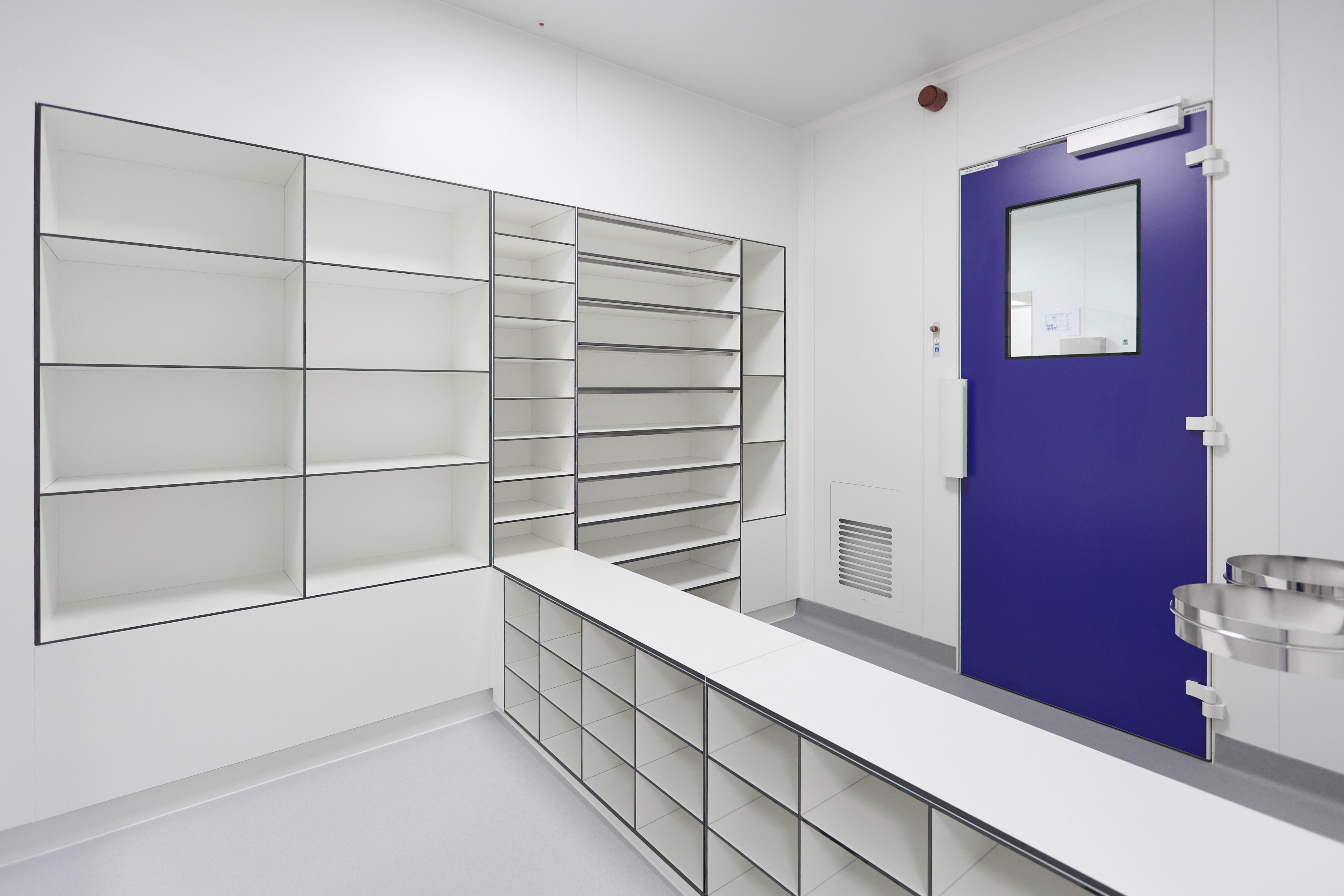
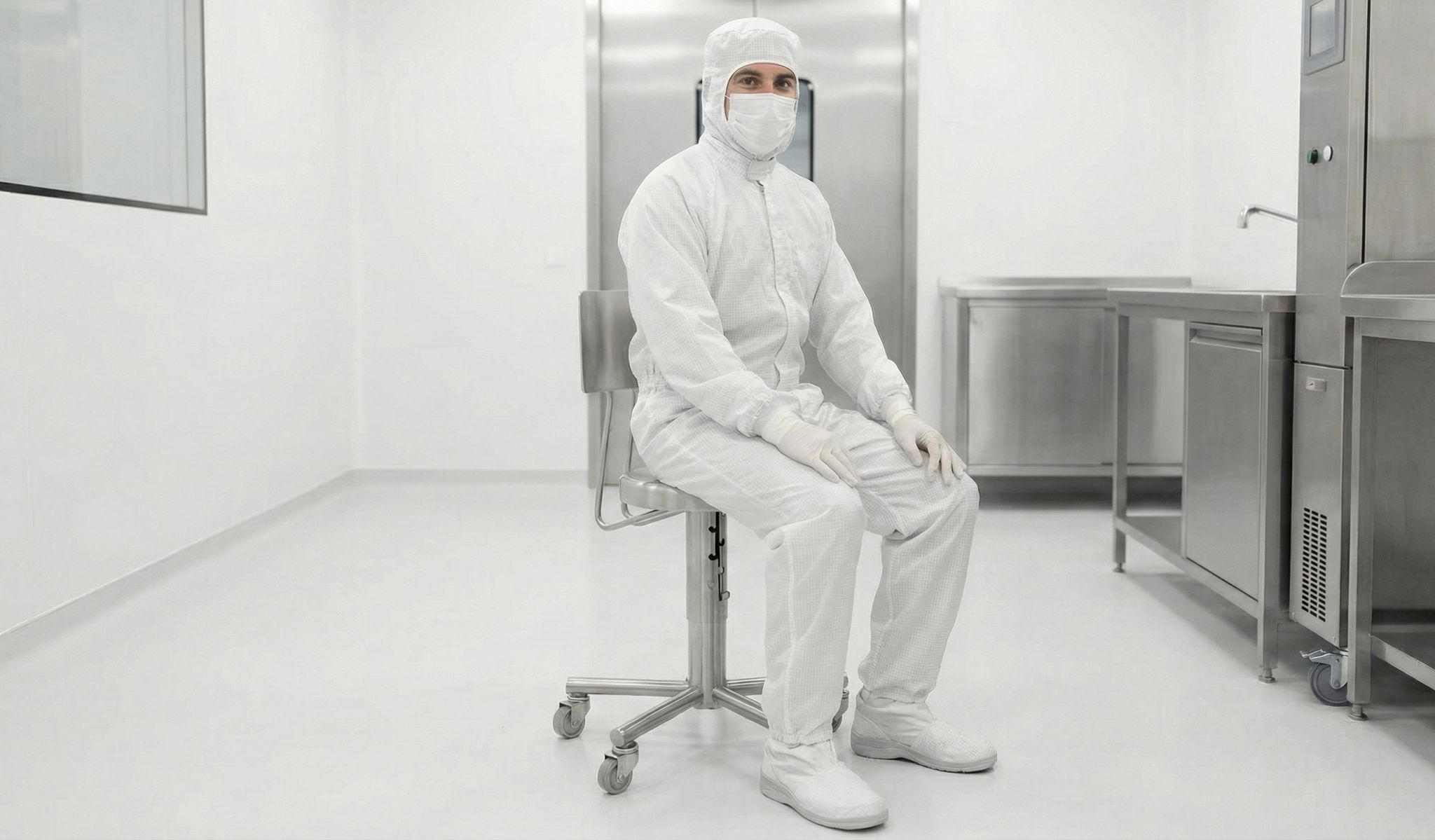
Article content
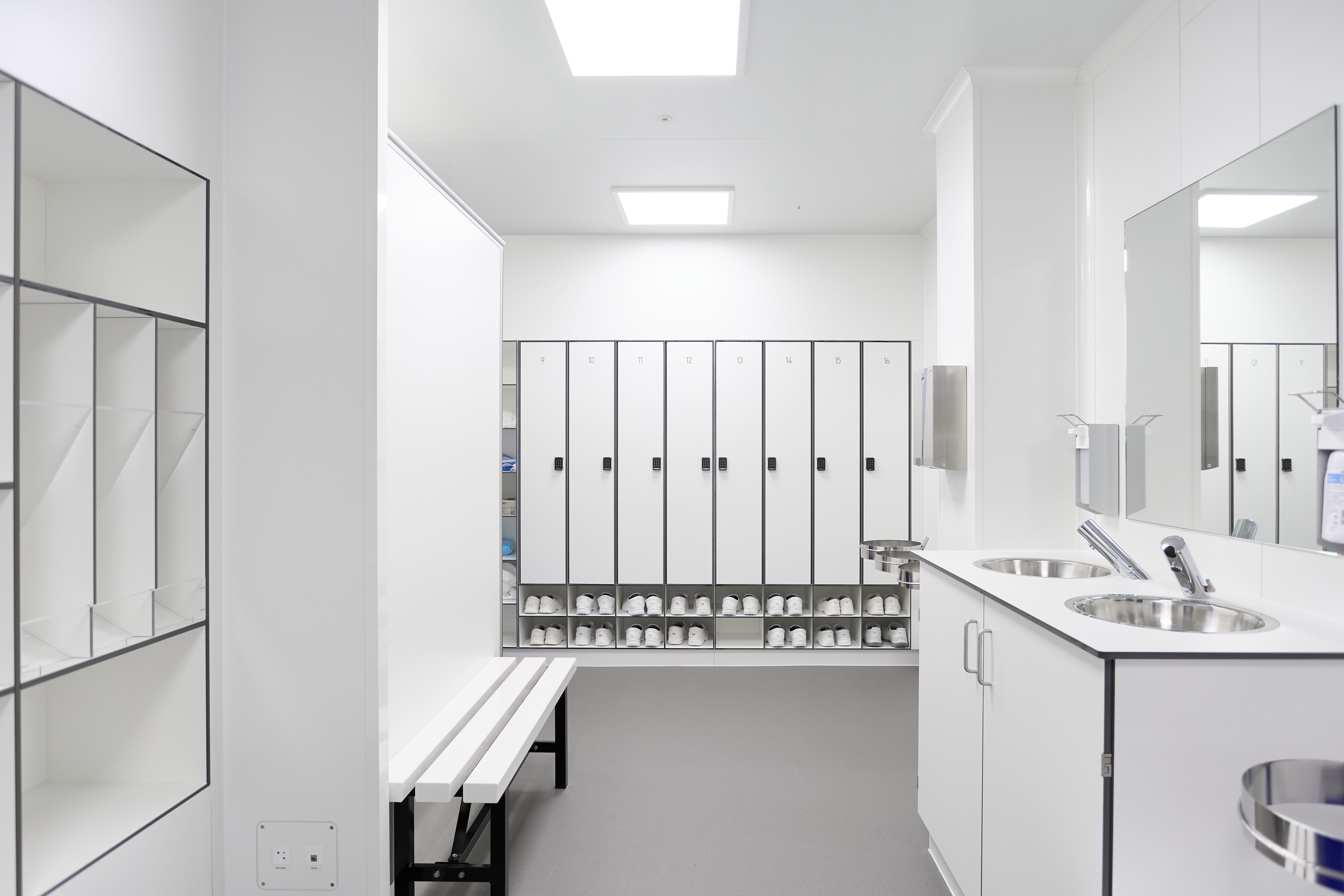
Compact HPL vs. Stainless Steel Lockers: The Ultimate Showdown
When outfitting a professional facility, the locker room is often an afterthought, until maintenance issues, compliance failures, or installation headaches arise. The choice between Compact High-Pressure Laminate (HPL) and Stainless Steel is a high-stakes decision that impacts hygiene, durability, and long-term costs.
While stainless steel has long been the "industrial default," HPL is rapidly becoming the preferred choice for both high-end commercial spaces and critical pharmaceutical environments. Here is why.
1. The Commercial & Leisure Arena: Durability Beyond the "Dent"
In gyms, schools, and offices, lockers take a beating. While metal might seem "tougher," the reality of daily wear tells a different story.
- The "Dent" Factor: Stainless steel is prone to "oil-canning"—that wavy distortion that occurs after a heavy impact. Once a metal door is dented, it’s nearly impossible to pop back out perfectly. HPL is incredibly dense with high structural memory; it can take a heavy hit and remain perfectly flat.
- Acoustic Comfort: A room full of 50 metal lockers closing at once is a cacophony of clangs. HPL is a solid, dense composite that naturally dampens sound, providing a much quieter, more premium user experience.
- Design Flexibility: Stainless steel offers one look: industrial. HPL comes in an almost infinite palette of wood grains, bold colors, and stone textures.
2. The Pharma Environment: Precision & Purity
In pharmaceutical facilities, the debate shifts from aesthetics to strict contamination control and GMP/FDA compliance.
- VHP Sterilization: Modern labs use Vaporized Hydrogen Peroxide (VHP) for bio-decontamination. While Grade 316 stainless steel is resistant, lower grades can undergo "tea-staining" or localized oxidation. Lab-grade HPL is effectively inert to VHP, maintaining its integrity through endless cycles.
- Particle Shedding: In ISO-rated cleanrooms, minimizing particulates is critical. Stainless steel is relatively soft; deep scratches can create microscopic "burrs" that trap bacteria. HPL is significantly harder and more scratch-resistant, ensuring the surface remains flush and smooth.
3. The Hidden Hygiene Trap: Folds and "Dead Zones"
The most significant risk in high-stakes environments isn't on the flat surface—it’s in the corners. This is where the structural design of stainless steel becomes a liability.
The "U-Channel" Problem
To make thin sheet metal rigid, fabricators must create return folds (U-channels or box folds).
- The Trap: These folds create narrow, deep recesses that are nearly impossible to reach with a standard wiping cloth.
- The Risk: These "dead zones" collect moisture and cleaning chemical residue, becoming breeding grounds for microbial colonies shielded from sterilization.
The HPL Advantage: Machined Simplicity
Because Compact HPL is a solid, 10 mm to 13mm thick slab, it doesn't need to be folded to be strong.
- Open Geometry: HPL edges can be CNC-machined to a smooth, bullnose radius. Every internal corner is "open" and accessible.
- 100% Coverage: A single wipe-down covers 100% of the surface area, leaving no hidden gaps.
4. On-Site Adaptability: The Installer’s Secret
Perhaps the most overlooked advantage of HPL is what happens during the final 5% of a construction project. No building is perfectly square, and "as-built" dimensions rarely match the blueprints perfectly.
- The Stainless Steel Dead-End: Stainless steel lockers are factory-finished units. If an HVAC duct was moved 5cm lower than planned, or a wall was built $2cm$ out of alignment, the steel locker simply will not fit. Modifying stainless steel on-site requires specialized welding, grinding, and polishing processes that are messy, create sparks, and are strictly forbidden in active cleanrooms or finished buildings.
- The HPL Agility: HPL is a "machinable" material. It can be scribed, cut, and drilled using standard (though high-quality) carpentry tools. If a locker needs to be notched around a skirting board or a ceiling bulkhead on the fly, a skilled installer can do it right there on the floor. This ensures a "built-in" look with zero gaps, even when the building isn't perfect.